
How Often Should My Home Be Watched While I'm Away?
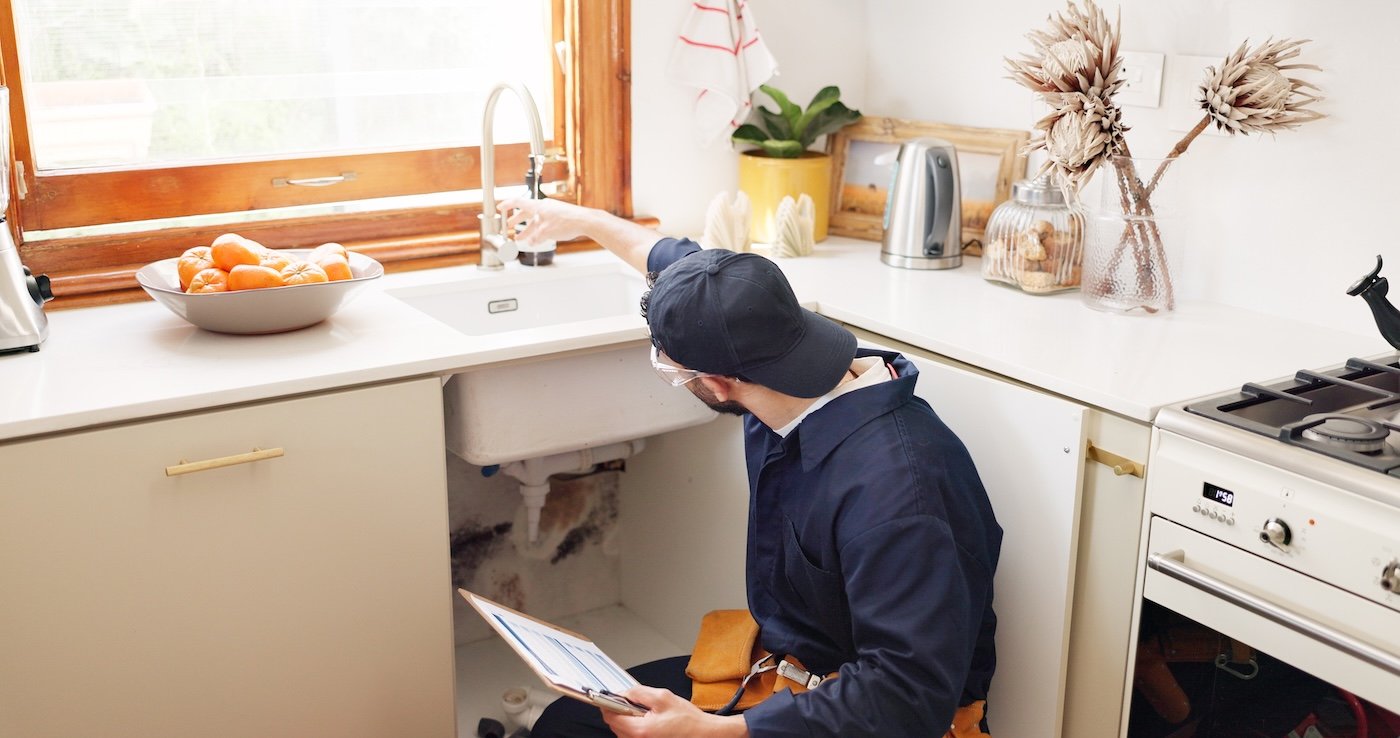
If a visible leak begins just after someone leaves your home, the next scheduled visit may be your first opportunity to discover it. A shorter gap between checks creates an earlier opportunity to notice the problem. It still cannot guarantee when a problem will begin or how quickly it will develop.
That is the practical question behind home watch visit frequency: how long are you comfortable leaving the property without another in-person observation?
Start with the property, not a universal rule
Weekly and every-other-week visits are available from Home Watch providers, but the existence of a package does not make it suitable for every property.
Build your plan around the home's circumstances. A property with recurring moisture concerns, a recent repair, or a complicated access arrangement may need a different approach from one with a stable maintenance history and reliable local support.
If your insurance policy or another agreement specifies checks while you are away, confirm the actual requirements with the relevant provider before setting the schedule.
Questions that help determine the schedule
How long will you be away?
A brief trip and an entire season create different coordination needs. Include departure and expected return dates, and tell the provider if those dates change.
What has needed attention recently?
An unresolved stain, intermittent cooling problem, or newly completed repair gives the provider useful context. A shorter interval may be appropriate while you arrange specialist follow-up.
What conditions could change?
Discuss local weather, seasonal conditions, and any planned work at the property. Set expectations for additional observations when circumstances change.
Who else has access?
Cleaners and contractors may be entering the home. Clarify who checks that the property has been secured afterward and how their visits affect the Home Watch plan.
Compare the gaps between visits
Weekly
Whether a roughly seven-day interval is appropriate for the home's circumstancesEvery other week
Whether the longer period without an in-person check is acceptableMore frequent or temporary additional visits
Whether a known concern or recent event warrants closer observationMonthly
Whether such a long interval leaves important needs unmet
This is a discussion framework, not a prescribed inspection schedule. A professional should help you match the plan to the property and clearly describe what happens between routine visits.
Plan event-related visits separately
An extra visit after a reported issue or significant weather event is different from a recurring appointment. Agree in advance on how to request one, what it costs, and how availability will be communicated.
Ask what happens when roads are inaccessible or conditions make entry unsafe. An agreed response process is more useful than an assumption that someone can arrive immediately under all circumstances.
Use technology to support the schedule
Sensors and cameras can provide information between visits. Decide who receives alerts, who reviews them, and when an alert should prompt a call or additional visit. A notification without an assigned response can leave everyone assuming someone else is handling it.
HomeLedger WatchTower helps Home Watch businesses schedule visits and share reports with homeowners. Its National Home Watch Association affiliation connects the product to the industry it serves.
Before leaving, ask your provider for the agreed visit interval, contact process, and extra-visit terms in writing. Revisit that plan when your travel dates, property condition, or seasonal needs change.